
- Jul 7, 2026
- 3 min read
Not Seen in Almost 18 Years: What Moved the Markets on July 7
The MOEX index below 2,200, Gazprom under ₽95 for the first time since 2008, tension near the Strait of Hormuz and the largest bitcoin sale in Strategy’s history.
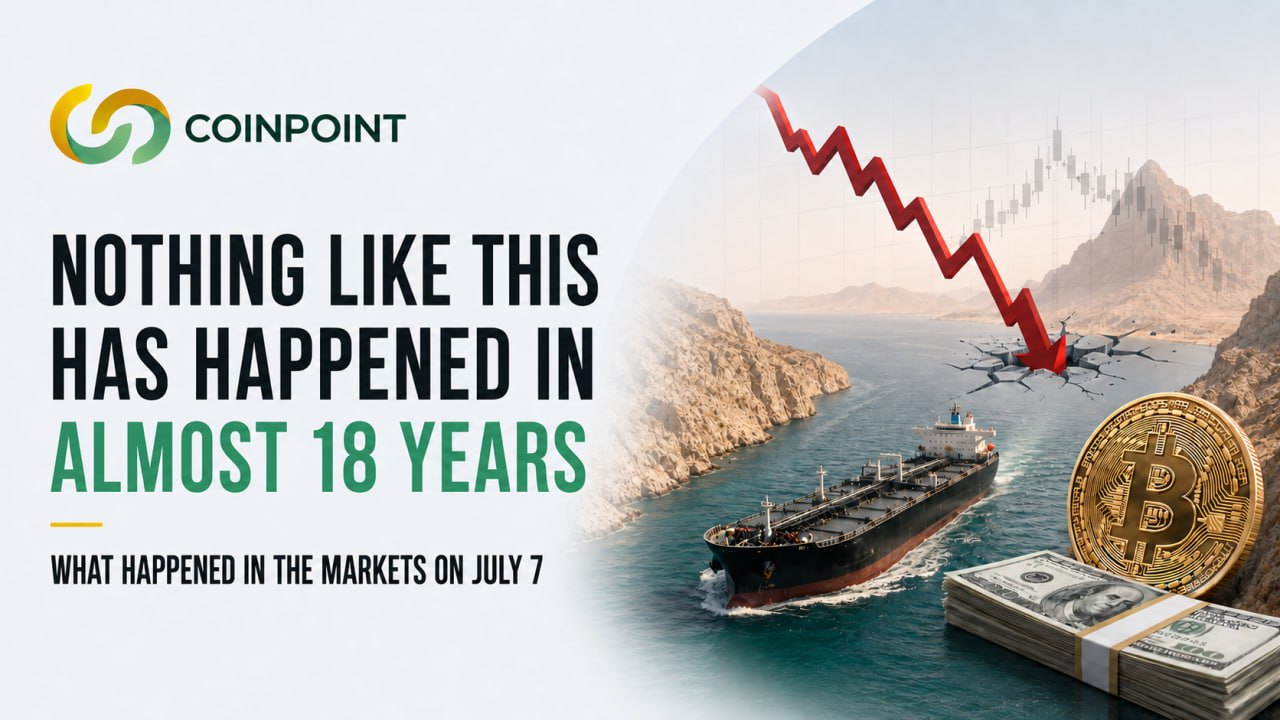
Several developments that could each have dominated the news cycle occurred at once: Russian equities reached multi-year lows, renewed tension near the Strait of Hormuz supported oil prices, and the world’s largest corporate bitcoin holder sold part of its reserves.
The Russian Market Broke Through Key Levels
The MOEX Russia Index lost 2.13% and fell to approximately 2,195 points. It had not traded below 2,200 since February 2023. The Russian Government Bond Index, RGBI, had also dropped below 112 points — its lowest level in more than a year.
Ex-dividend adjustments, expectations of persistently restrictive monetary policy and geopolitical uncertainty all weighed on the market. When both equities and government bonds decline, the move is no longer about one troubled company: it indicates a broader reduction in risk appetite. Market data and trading recap — RBC.
VTB and Gazprom Reached Historic Lows
VTB shares fell by approximately 11.5% to ₽62.33, setting a new record low since the bank’s 2007 IPO. Trading turnover exceeded ₽34 billion. Activity on that scale suggests that the sell-off was not limited to isolated retail trades: the market was reassessing the bank amid interest-rate risks and doubts surrounding its ₽600 billion net profit target.
Gazprom’s decline was even more symbolic. Its shares lost 3.06% and fell to ₽94.85, trading below ₽95 for the first time since November 2008.
The almost 18-year comparison is more than a dramatic headline. Investors no longer see the support once provided by dividends and the European market, while Asian sales are not yet viewed as a complete replacement in terms of volume and profitability. Lower energy prices and the risk of further restrictions on pipeline supplies to the EU are adding to the pressure.
Tension Near the Strait of Hormuz Supported Oil
At the same time, new attacks on commercial vessels were reported near the Strait of Hormuz. The Qatari LNG tanker Al Rekayyat, managed by Nakilat, was damaged near its engine room, where a fire broke out. The crew remained safe. Reuters reported the details.
For the oil market, this provides short-term support by increasing insurance, freight and logistics costs. However, a single incident does not create a lasting upward trend. For now, the market is reacting mainly to uncertainty rather than to a fundamental change in supply and demand.
Strategy Became a Bitcoin Seller as Well as a Buyer
One of the most significant crypto headlines came from Michael Saylor’s Strategy. The company completed the largest bitcoin sale in its history, disposing of 3,588 BTC for approximately $216 million at an average price of around $60,200.
That price was about $15,000 below the average acquisition cost of the company’s remaining bitcoin portfolio. A direct comparison implies a gap of roughly $55 million on the amount sold, although this is not the same as the company’s officially reported accounting loss.
According to Strategy’s SEC filing, the proceeds were used to fund preferred-stock distributions and replenish its US dollar reserve. The sale therefore does not necessarily signal a loss of confidence in bitcoin. It does, however, establish an important precedent: the largest corporate BTC holder can now act as a seller as well as a buyer.
What Connects These Developments
Capital moved away from risk across several markets on the same day. Russian stocks and bonds declined, shipping became more expensive and dangerous, and Strategy converted part of its crypto reserves into dollar liquidity.
The common theme is clear: during periods of uncertainty, markets place a premium on accessible funds, predictable timing and a clearly calculated outcome.
☀️ If you need to exchange currency or USDT, contact @coinpoin_bot to confirm the rate, terms and final amount in advance.
This material is for informational purposes only and does not constitute investment advice.